
An electronic medical record (emr) audit trail is a log file required by hipaa of all electronic medical record software systems. the emr audit trail documents all points of access of a patient electronic medical record system including any actions to modify, view, print or amend the record by replacing or adding new data. The audit trail (which is audit trail medical records discoverable) tracks when a medical record was accessed and when additions or alterations were made to the record (by whom and when). the audit trail can provide information that is not always accessible in other medical records.
By far, the most common use of audit trails is in medical malpractice actions. for example, if there is a question of when a physician viewed an x-ray report, or a lab result, the audit trail may be able to provide that information. this may have a significant impact on the liability of the medical provider. Whether you're interested in reviewing information doctors have collected about you or you need to verify a specific component of a past treatment, it can be important to gain access to your medical records online. this guide shows you how. Confidential patient medical records are protected by our privacy guidelines. patients or representatives with power of attorney can authorize release of these documents. we continue to monitor covid-19 cases in our area and providers will.
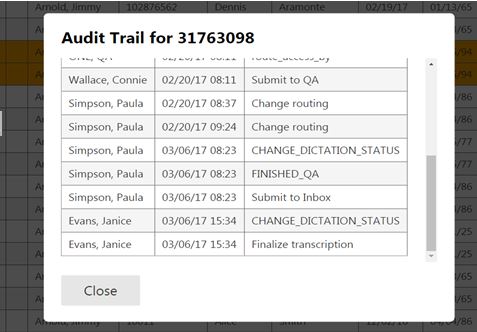
Audittrailrecords will contain details that include date, time, and user information associated with the transaction. it plays an important role in the general process of industryor regulation-specific audit logs and trails. however, the department itself has a unique and densely populated log process where the numerous and varied. The audit trail can lead to relevant and discoverable evidence of a medical act or a failure to act and or intervene which lead to the tragic outcome. hospitals are required by law to maintain an audit trail for every electronic medical record. an audit trail shows the existence of an electronic medical record, when an electronic medical record. Requirements for patient review of their medical record audit trail context: this proposal describes a target for a patient-accessible audit trail for implementation in a 2 to 5 year time frame. it is not expected that any organization would be able to implement this proposal immediately or in the near-term. An audit log (sometimes called an audit trail by some emr companies) is a security-relevant chronological record that provides documentary evidence of, among other events, who accessed an electronic medical record system, when they accessed it, from where, and exactly what they did, such as enter new data, modify or remove existing data, view a part of the chart, obtain a printout, etc.
Audits Records Request Internal Revenue Service
What is an “audit trail”? an audit trail can be defined in basic terms as a “record that shows who has accessed a computer system, when it was accessed, and what operations were performed. ” brodnik, melanie, et al. fundamentals of law for health informatics and information management. chicago, il: ahima, 2009, 215. To better understand medical records, attorneys often review medical record audit trails. an audit trail is an electronic record of every change made to an emr, such as identification of users accessing a patient record, actions taken by users and the times and dates of access. examination of audit trails helps attorneys identify the chronology.
The typical request has been something similar to the following: please produce the electronic medical record audit trail report/audit log/audit control information for the x hospital medical records regarding patient y from december 1, 2011 to the present. [this material is required to be maintained and must be turned over to a patient. Audittrails are required to include any modifications made to a patient’s medical record, what was changed, what it was changed to, and what it was changed from. hipaa mandates audit trails 45 c. f. r § 164. 312(b) & 45 c. f. r § 170. 210(b) a health care facility must maintain an audit trail of a patient’s electronic medical record. Changed, by whom and when. frankly, the audit trail is an integral part of the medical record. it is the metadata about the audit trail medical records medical record that cannot be separated from the record itself. and it will show important information about care provided in any given case. for example it will show when the various assessments of a patient occurred and were documented in a medical record. it is.
Hospitals are required by federal law to maintain an audit trail for electronic medical records. the audit trail (which is discoverable) tracks when a medical record was accessed and when additions or alterations were made to the record (by whom and when). the audit trail can provide information that is not always accessible in other medical records. Program description audit trails can provide a wealth of information not found on the face of the emr: timing of chart entries, access, alterations and more. this information can effectively be used to prove liability or establish the veracity of medical entries, so it's important for you to know what you're doing. Your private medical record is not as private as you may think. here are the people and organizations that can access it and how they use your data. in the united states, most people believe that health insurance portability and accountabil. Request patient medical records, refer a patient, or find a ctca physician. call us 24/7 to request your patient's medical records from one of our hospitals, please call or fax one of the numbers below to start the process. to refer a patie.
Electronic medical record (emr) audit trails in legal nurse.
Add new medical events record help my healthevet.
Electronic Medical Recordsaudit Logsrevision History
An audit log (sometimes called an audit trail audit trail medical records by some emr companies) is a security-relevant chronological record that provides documentary evidence of, among other events, who accessed an electronic medical record system, when they accessed it, from where, and exactly what they did, such as enter new data, modify or remove existing data, view a. That is, we do not intend to take enforcement action to enforce compliance with the validation, audit trail, record retention, and record copying requirements of part 11 as explained in this guidance.
Electronic medical record implementation will allow your health records to be in one digital file. learn about electronic medical record implementation. advertisement schoolchildren in the united states are often threatened with an ominous-. How to audition for major record companies. getting a record deal with a major label is no easy feat. in fact, even getting an audition requires a lot of hard work, determination and luck. even extremely talented artists can struggle for ye. Audit trailrecords require a retention schedule just like records generated from other applications. the retention schedule for audit trail records must adhere to legal and compliance needs, but it must also take into consideration records management and is needs. him professionals must manage the audit trails within an ehr system.

How Is The U S Implementing Electronic Medical Records Howstuffworks
It’s a patient’s right to view his or her medical records, receive copies of them and obtain a summary of the care he or she received. the process for doing so is straightforward. when you use the following guidelines, you can learn how to. A pandora’s box: the emr’s audit trail by matthew p. keris counterpoint february 2017 it is safe to say that one of the most significant medical malpractice evidentiary developments since the widespread adoption of electronic medical records (emrs) is the production of its “audit trail. ” by now, most who handle these types of claims. You've gotten the dreaded notice from the irs. the government has chosen your file for an audit. now what? audits are most people's worst nightmare. it's a giant hassle and you have to produce a ton of documentation to prove your various in. Audittrails can provide a wealth of information not found on the face of the emr: timing of chart entries, access, alterations and more. this information can effectively be used to prove liability or establish the veracity of medical entries, so it's important for you to know what you're doing.
When conducting your audit, we will ask you to present certain documents that support the income, credits or deductions you claimed on your return. you would have used all of these documents to prepare your return. therefore, the request sh. An emr audit trail is considered system metadata because it contains “a record of every change or addition to an electronic medical record” and “includes the identification of the terminal.
